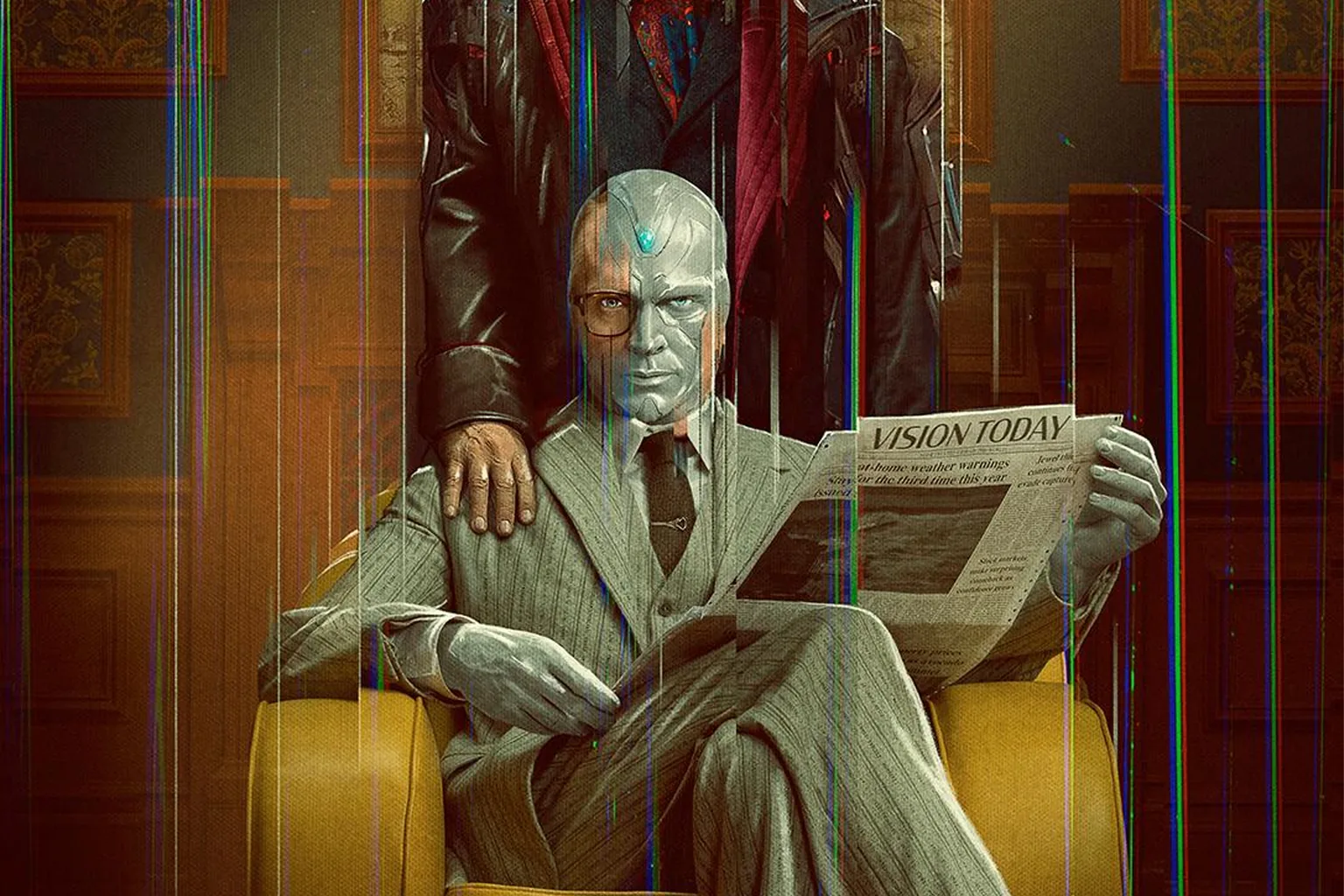
I just finished the VisionQuest series, and one idea stayed with me. Vision does not wait for things to happen. He uses his compute to run a situation over and over, millions of times, before it happens. Then he decides. By the time he acts, he has already seen most of the ways it could go.
That is fiction. But the skill underneath it is real now, and it is not only for superheroes or big companies.
What simulation means for a business.
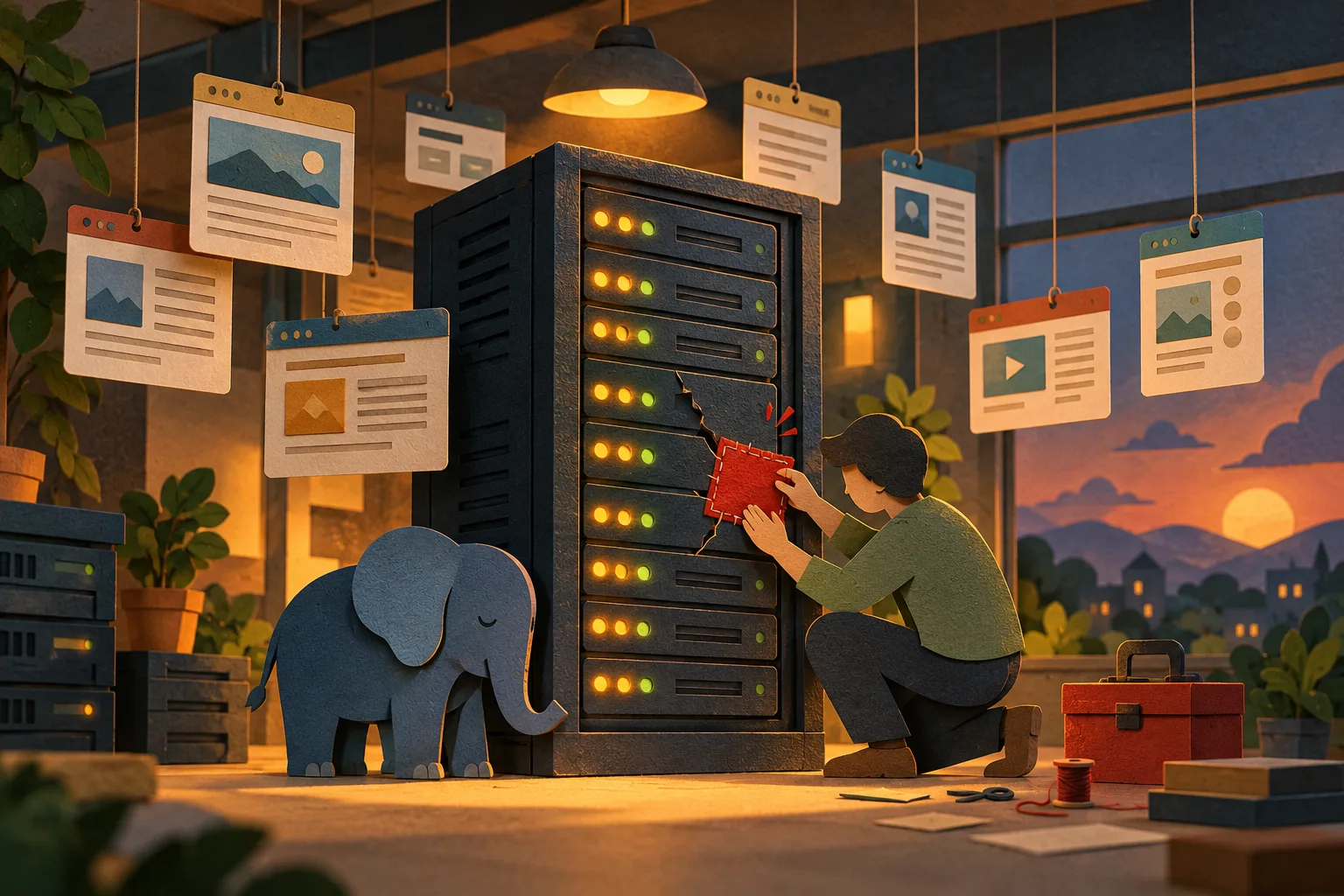
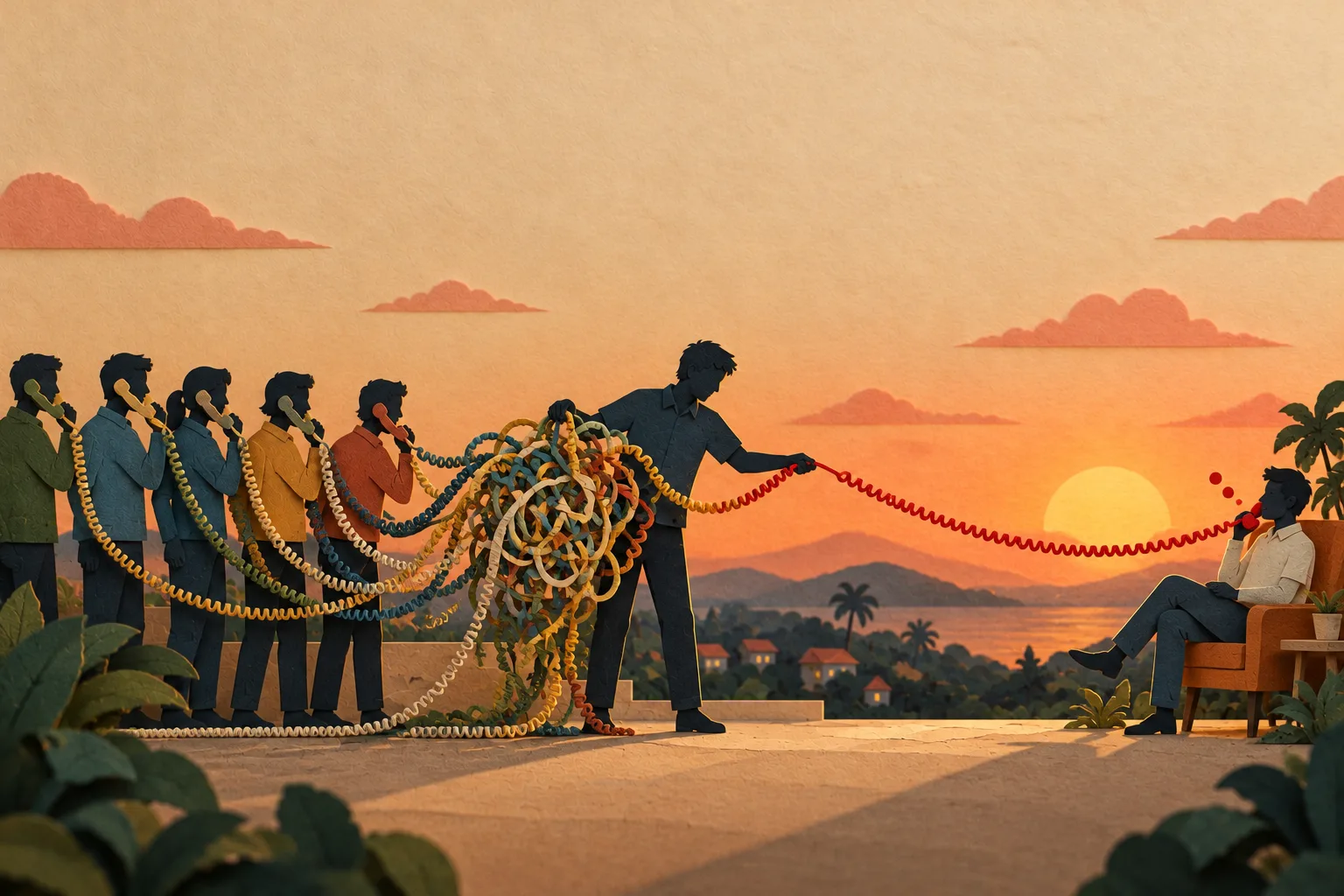
Simulation is just asking “what happens if” before you spend the money.
Most small businesses learn by doing. You change a price, launch an offer, or hire a person, and then you wait to see what happens. If it goes wrong, you pay for the lesson.
AI tools let you rehearse first. You can describe your situation, your customers, and your numbers, and then run the scenario many times in different ways. It costs a few minutes and nothing else.
What you can simulate today.
You do not need special software for most of this. A good AI tool and honest inputs are enough.
- A price change. What happens to your monthly income if 10% of customers leave? If 20% leave? At what point does the higher price stop being worth it?
- An ad or an offer. Describe your typical customers and ask how each type would react to the message. You will find the weak lines before your audience does.
- A slow month. If sales drop by a third for two months, what breaks first? Salaries, rent, or stock?
- A hard conversation. Rehearse a difficult call with a client or a supplier before you make it.
- A new hire or a new branch. Run the numbers with good months and bad months, not just the hopeful ones.
“Every decision you rehearse is a mistake you don’t have to pay for.”
What simulation is not.
I want to be honest about this part. A simulation is not a prediction. It is a rehearsal.
The output is only as good as what you put in. If you give the AI wishful numbers, it will give you a wishful future. Vision can trust his simulations because his inputs are complete. Ours never are.
So use it to find risks, not to find certainty. If the simulation shows you a way things could go wrong, that is the most useful thing it can tell you.
Why I think this matters.
I spent six years at Tech Mahindra watching how large enterprises plan. They model things before they commit. They test before they launch. Local businesses never had that luxury. They did not have the people or the tools.
Now they do. The same thinking that big companies paid analysts for is available to a shop owner with a phone. That is the kind of upgrade I started NexGU for.
Start small.
Pick one decision you are about to make this month. Write down what you know about it. Ask an AI tool to show you five ways it could go, including the bad ones. Then decide.
You will not see millions of futures like Vision does. But even five is more than most businesses look at today.
If you want help setting up simple simulations for your own business, we are happy to sit with you and build them. Reach me at gokul@nexgu.com or nexgu.com/connect.
Featured image © Marvel Studios.